
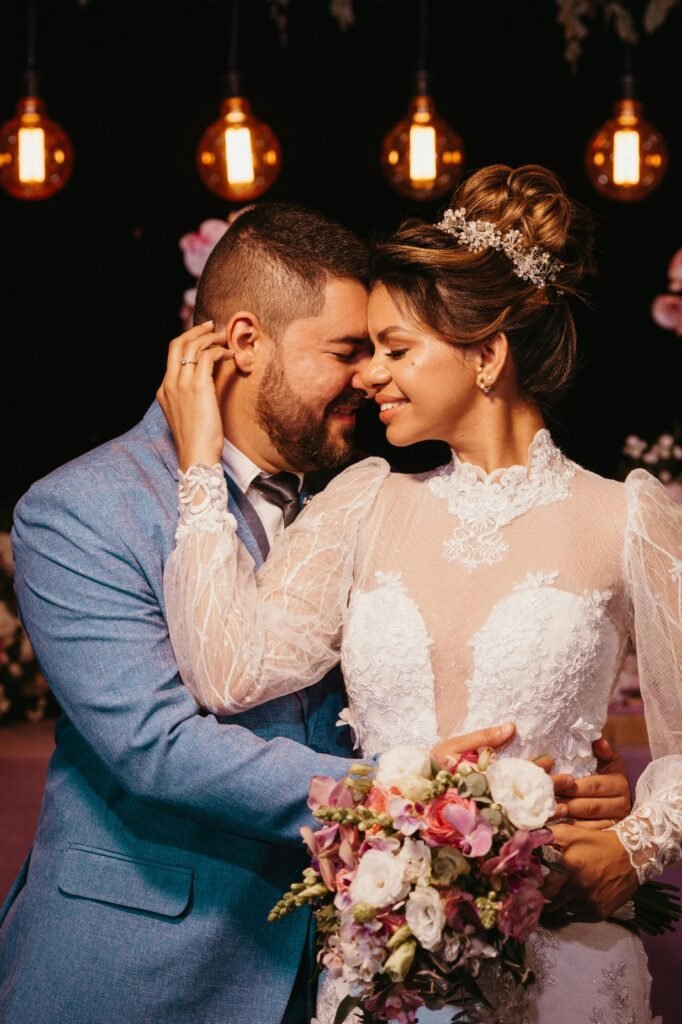

Wedding style has shifted a lot over the past decade. While tradition still matters to many couples, there is now far more room for personal taste. Grooms are no longer limited to one look or colour. Instead, the focus is on choosing a suit that suits the day, the setting, and how the groom actually wants to feel when wearing it.
For many, this has meant moving away from rigid expectations and focusing more on comfort, practicality, and confidence. A wedding suit is no longer about fitting into a template. It is about feeling like yourself, just dressed at your best.
Colour Choices Are Less Rigid
Black suits were once seen as the safest option for weddings, but that idea has steadily faded. Many grooms now prefer colours that feel lighter and more adaptable, especially for daytime ceremonies. Navy, mid blue, and softer tones photograph well and work across a wide range of venues.
This shift has helped blue wedding suits become one of the most popular choices in the UK. Blue works well in both formal and relaxed settings, and it pairs easily with classic white shirts, neutral ties, and brown or black footwear. It also feels less restrictive, making it easier to wear again after the wedding.
Grey and brown shades have also gained popularity, particularly for countryside or seasonal weddings, giving grooms more options that still feel appropriate and considered.
Dressing for the Type of Ceremony
The style of the ceremony itself plays a part in the suit decision. Registry office weddings and smaller gatherings often suit simpler tailoring. A two piece suit with clean lines can feel just as appropriate as a more formal option, especially when paired with subtle accessories.
Church weddings and large traditional ceremonies tend to lean towards three piece suits. A waistcoat adds structure and keeps the outfit looking complete during the day, even when the jacket comes off at the reception. Evening receptions in formal venues may also call for darker shades and more polished finishes.
Outdoor ceremonies also influence choices, with many grooms opting for lighter fabrics and softer colour palettes that suit natural surroundings.
Fabric Matters More Than People Think
Fabric choice affects comfort as much as appearance. Lightweight wool suits are ideal for spring and summer weddings, especially when photos and drinks are planned outdoors. Heavier cloths work better in autumn and winter, helping the suit hold its shape while offering a bit more warmth.
Texture also adds interest without needing bold patterns. Plain fabrics with a subtle weave often look smarter in photos than shiny finishes or loud designs. This keeps the suit looking sharp years later when those wedding photos resurface.
Fit and Tailoring Make the Difference
Even the best suit will fall flat if the fit is wrong. A good fit should feel comfortable from morning to night, allowing movement without looking loose. Simple alterations to sleeves, trousers, and the jacket waist can dramatically improve how a suit looks and feels.
Many grooms now prioritise fit over brand or trend, knowing that comfort plays a big role in confidence.
Thinking Long Term
More grooms now want a suit they can use again. Choosing a classic cut and a versatile colour makes that possible. A wedding suit does not need to feel like a costume for one day. With the right styling, it can work for future events, formal dinners, or even professional settings.
Accessories can always be changed to suit the occasion. Swapping a tie or removing a waistcoat can instantly make the suit feel different, without losing its original quality.
Confidence Comes from Comfort
At the end of the day, the best wedding suit is one that feels comfortable and natural to wear. A good fit, suitable fabric, and sensible colour choice matter more than chasing trends. When a groom feels at ease in his suit, it shows in every photo and every moment of the day.