


Understanding Alaskan Seiti, Its Origin, Health Value, and Why It Matters in Modern Seafood Choices
Introduction
Alaskan Seiti is a term that often appears on seafood labels and in food discussions, especially in Nordic and European contexts. For many people, the name raises curiosity because it is not as widely recognised as other fish names. In simple terms, Alaskan Seiti refers to Alaska pollock, a whitefish harvested from the cold waters of the North Pacific Ocean.
This fish has both strong advantages and a few limitations. On the positive side, Alaskan Seiti is affordable, versatile, and nutritionally valuable. On the negative side, it is sometimes misunderstood or undervalued because of its association with processed seafood. This article explains Alaskan Seiti clearly and honestly, helping readers understand what it is, how it is used, and why it plays such an important role in global seafood consumption.
What Is Alaskan Seiti?
Alaskan Seiti is the common Nordic and Finnish name for Alaska pollock, a species of whitefish belonging to the cod family. It lives in cold, deep waters of the North Pacific, particularly around Alaska and the Bering Sea. Because of its abundance and mild flavour, it has become one of the most widely consumed fish species in the world.
The term “seiti” can sometimes cause confusion, as it may be used loosely in different regions. However, when labelled as Alaskan Seiti, it specifically refers to Alaska pollock and not to other similar whitefish species. This distinction is important for consumers who care about origin and quality.
Natural Habitat and Fishing Environment
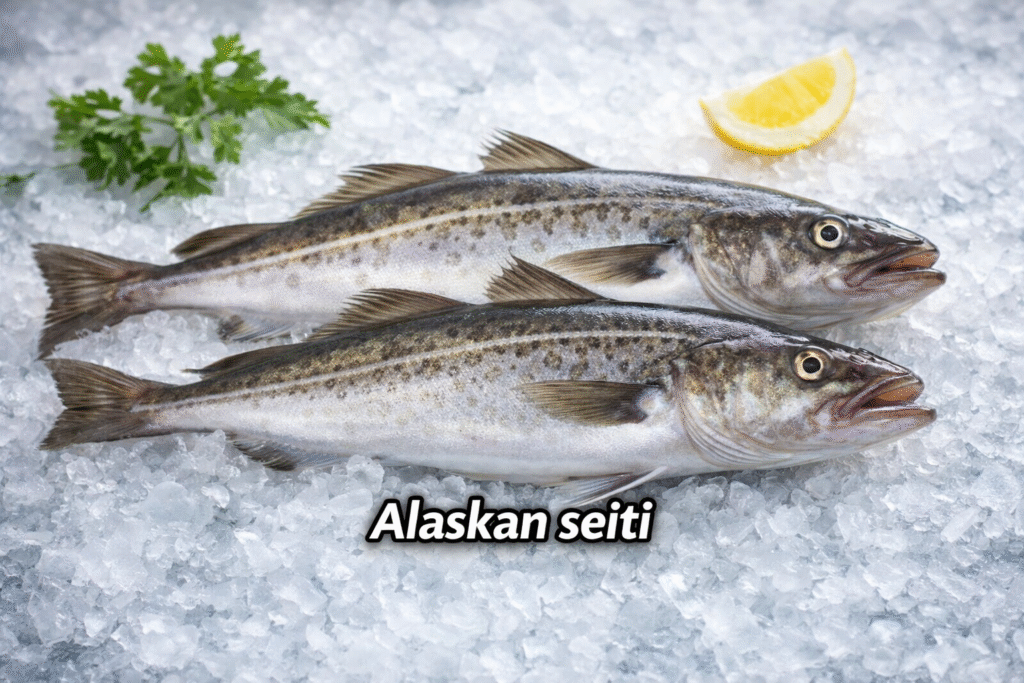
Alaskan Seiti thrives in cold, nutrient-rich waters. These conditions contribute to its firm flesh and clean taste. The fish forms large schools, which makes it suitable for large-scale fishing while still being manageable under regulated fisheries.
The environment where Alaskan Seiti is caught plays a major role in its reputation. Cold-water species generally have a slower growth cycle, which can support better texture and nutritional balance. At the same time, large-scale fishing requires careful management to maintain healthy fish populations.
Nutritional Profile of Alaskan Seiti
Key Nutrients
Alaskan Seiti is valued for its simple but effective nutritional profile. It is:
- High in protein
- Low in fat
- A source of essential vitamins and minerals
The protein content supports muscle maintenance and general health, while the low fat level makes it suitable for balanced diets. It also contains minerals that support normal body functions.
Health Benefits
From a health perspective, Alaskan Seiti fits well into many dietary plans. It is commonly chosen by people looking for lean protein options without heavy calories. This makes it suitable for weight-conscious diets and everyday meals.
However, it should not be seen as a miracle food. Like any single ingredient, it works best as part of a varied and balanced diet rather than a standalone nutritional solution.
Taste and Texture
One of the defining characteristics of Alaskan Seiti is its mild flavour. It does not have a strong “fishy” taste, which makes it appealing to people who are sensitive to stronger seafood flavours.
Its texture is soft yet firm enough to hold shape during cooking. While this makes it versatile, it also means that it relies heavily on seasoning and preparation. Without proper cooking, some people may find it bland compared to stronger-tasting fish.
Common Culinary Uses
Everyday Cooking
Alaskan Seiti is widely used in everyday cooking because it adapts easily to different recipes. It can be baked, grilled, fried, or steamed, depending on preference. Its neutral taste allows it to absorb spices, sauces, and marinades effectively.
Processed Seafood
A large portion of Alaskan Seiti is used in processed seafood products. This includes fish fillets, fish sticks, and other convenience foods. While this increases accessibility, it sometimes leads to the misconception that the fish itself is low quality, which is not accurate.
Why Alaskan Seiti Is So Widely Used
The popularity of Alaskan Seiti comes from a combination of factors. It is widely available, cost-effective, and easy to work with in both home kitchens and large food operations. These qualities make it a reliable choice for feeding large populations.
On the other hand, widespread use can also lead to overfamiliarity. Because it appears so often in processed foods, some consumers overlook its value as a fresh and nutritious ingredient when prepared properly.
Positive and Negative Perceptions
Positive View
Supporters of Alaskan Seiti appreciate its affordability, nutritional value, and versatility. It allows more people to include seafood in their diets without high costs.
Negative View
Critics argue that its mild taste and frequent use in processed foods reduce its appeal. Some also feel that it lacks the richness of other premium fish species. These perceptions are subjective and largely depend on preparation and expectations.
Role in Global Seafood Consumption
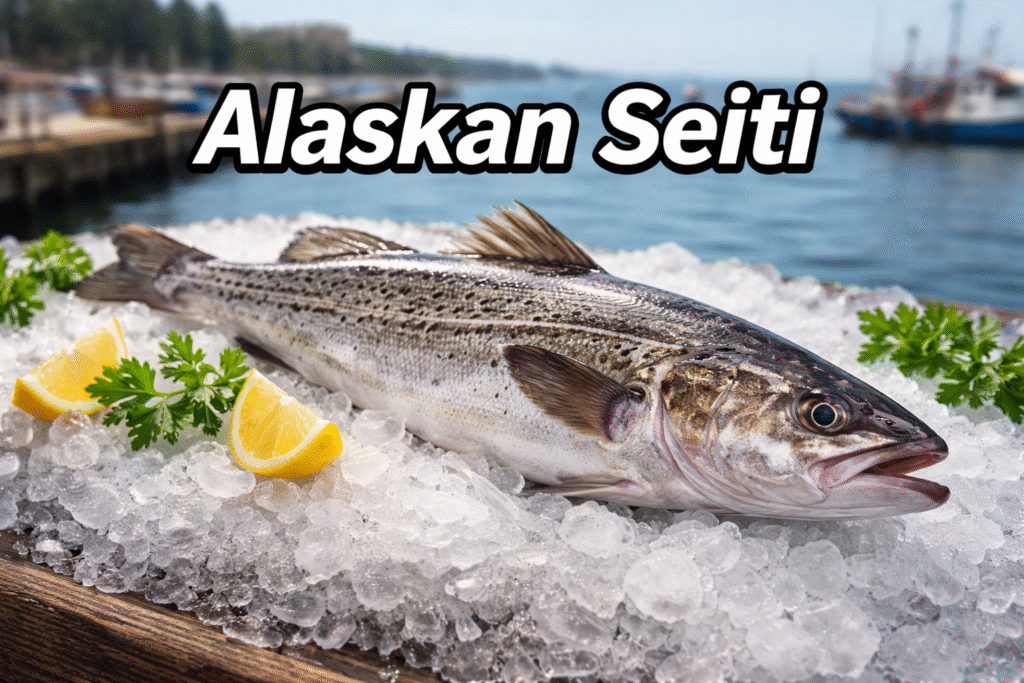
Alaskan Seiti plays a crucial role in global seafood supply. Its availability helps meet protein demand worldwide, especially in regions where fresh seafood options are limited or expensive.
This role highlights its importance beyond taste alone. Alaskan Seiti contributes to food security and dietary diversity, even if it does not always receive the same recognition as more expensive fish.
How to Choose and Use Alaskan Seiti
When choosing Alaskan Seiti, consumers should look for properly handled and stored products. Fresh or well-frozen options maintain better texture and flavour.
To get the best results, pairing it with herbs, spices, and sauces is recommended. This enhances taste and transforms a simple ingredient into a satisfying meal.
Conclusion
Alaskan Seiti is a practical, nutritious, and widely used cold-water fish that deserves a fair and balanced understanding. Its strengths lie in accessibility, protein content, and versatility, while its limitations mainly relate to flavour perception and overuse in processed foods.
When prepared thoughtfully, Alaskan Seiti can be a valuable addition to a balanced diet. Understanding its true nature allows consumers to appreciate it not just as a convenience food, but as a reliable and healthy seafood choice.
Frequently Asked Questions (FAQ)
What is Alaskan Seiti?
Alaskan Seiti is the Nordic name for Alaska pollock, a whitefish from the North Pacific Ocean.
Is Alaskan Seiti healthy?
Yes, it is high in protein, low in fat, and suitable for balanced diets.
Why is Alaskan Seiti often used in processed foods?
Its mild taste, availability, and affordability make it ideal for large-scale food production.
Does Alaskan Seiti taste strong?
No, it has a mild flavour, which some people find appealing and others find neutral.
Can Alaskan Seiti be cooked at home?
Yes, it can be baked, grilled, fried, or steamed and works well with seasonings and sauces.