
Introduction
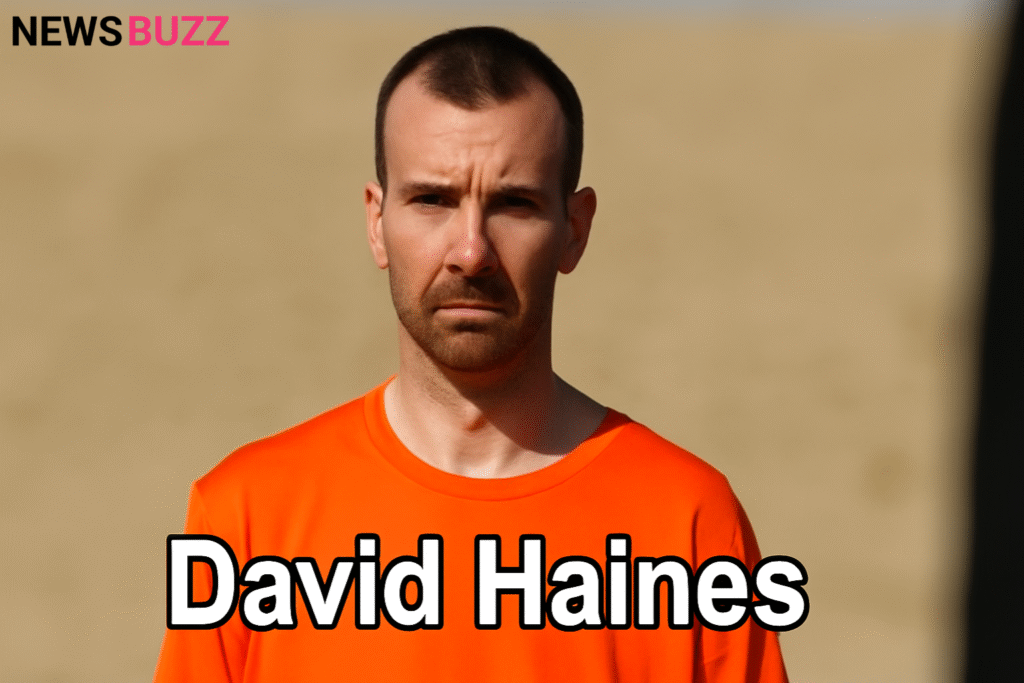
David Haines remains a powerful symbol of compassion and humanitarian bravery. His work in conflict zones and fragile regions changed countless lives, and his dedication to peace and service continues to resonate around the world. The story of David Haines is both inspirational and emotional—a story that shines with strength and courage, yet carries the sadness of a life taken too soon. His commitment to humanitarian service defines him far more than the tragic events surrounding the Killing of David Haines, a phrase often used when recounting the circumstances of his death. It is important to recognise that before he became known internationally in tragedy, he lived decades as a compassionate humanitarian, father, and protector of vulnerable communities.
As a British aid worker who devoted himself to supporting people in crisis, David Haines embodied what it means to serve humanity. His story reflects resilience and hope, especially for those who continue humanitarian work in dangerous regions. Through his service in the former Yugoslavia, South Sudan, Libya, and Syria, he demonstrated a lifelong dedication to assisting people affected by war, displacement, and poverty. Even in the most challenging environments, he placed the needs of others first and stood firm in his belief that humanitarian action can save lives and inspire change.
Quick Bio
| Attribute | Information |
|---|---|
| Full Name | David Cawthorne Haines |
| Date of Birth | 9 May 1970 |
| Birthplace | East Yorkshire, England |
| Nationality | British |
| Profession | Humanitarian Aid Worker |
| Previous Service | Royal Air Force Aircraft Engineer |
| Children | Two |
| Known For | Humanitarian service in conflict zones |
| Death | 13 September 2014 in Syria |
Early Life and Background
David Haines was born on 9 May 1970 in East Yorkshire, England. During childhood, he relocated to Perth, Scotland, where he spent most of his early life. His upbringing in the United Kingdom shaped him into someone grounded, disciplined, and compassionate. He was known for his strong sense of duty and his natural desire to help people—a trait that would guide him throughout his life. His early years demonstrated a quiet strength and a willingness to shoulder responsibility, qualities that later became central to his humanitarian identity.
Before entering humanitarian work, David Haines served in the Royal Air Force as an aircraft engineer. This career path reflected his technical abilities, discipline, and commitment to serving others. His time in the RAF gave him a strong foundation in operational work and crisis management. These skills would later become invaluable in the challenging and often unpredictable environments he worked in during his humanitarian missions. His early professional life laid the groundwork for the important global contributions he would soon make.
Humanitarian Career and Global Impact
After leaving the Royal Air Force, David Haines transitioned into humanitarian work—a decision that reflected both personal conviction and a deep desire to help those affected by war and conflict. He worked with several respected organisations, taking on vital roles supporting displaced families, war-affected communities, and people living in extreme hardship. His assignments took him across the former Yugoslavia, South Sudan, Libya, and other regions impacted by conflict. His dedication to these missions earned him respect as someone who would go where he was needed most, regardless of the difficulty or danger.
One of his most meaningful aspects of work was his ability to build trust with the communities he served. David Haines brought a sense of stability and kindness to people facing severe instability. He worked in logistics, security, and humanitarian coordination, often serving as a key connection between aid organisations and vulnerable populations. His contributions in these regions demonstrated not only his professional expertise but also his deep humanity—qualities that left an enduring mark on many communities worldwide.
Humanitarian Mission in Syria
In March 2013, David Haines was working near the Syrian-Turkish border, providing essential support to civilians affected by the ongoing Syrian conflict. He was employed by the humanitarian organisation ACTED, where he played a crucial role in supporting refugee communities near the Atmeh camp. His presence in Syria was part of his lifelong commitment to assisting people in dire need, even in the most high-risk environments. His work was focused on offering relief, stability, and hope to families displaced by violence.
During this mission, David Haines was kidnapped by militants associated with the Islamic State (ISIS). The event shocked his colleagues, his community, and the humanitarian world. His abduction marked the beginning of a long and painful ordeal. The situation highlighted the dangers humanitarian workers face while attempting to provide relief in unstable regions. Despite the global attention that followed, it is essential to remember that he was there for one reason—to help people who had nowhere else to turn.
The Killing of David Haines and Global Response
The Killing of David Haines, as it is often referenced in international summaries, occurred on 13 September 2014. His death was confirmed through a video released by ISIS. The news led to widespread condemnation from world leaders, humanitarian organisations, and communities across the globe. People mourned not only the loss of a dedicated aid worker but also the attack on humanitarian values and human dignity.
His family received an outpouring of support, and many leaders—including Muslim community leaders in the United Kingdom—openly denounced the act as one of terrorism, cruelty, and a complete betrayal of humanity. These statements were significant because they reinforced unity and compassion during a moment of intense pain. The tragedy brought global attention to the risks faced by humanitarian workers and sparked calls for stronger protection for civilians and aid personnel in conflict zones.
Legacy and Lasting Influence
David Haines is remembered for his bravery, his compassion, and his unwavering commitment to helping those who needed help the most. His legacy is built on decades of selfless service, and his name continues to inspire humanitarian workers worldwide. His story has become a reminder that even in the darkest moments, the power of human kindness remains stronger than violence. Many humanitarian organisations have honoured his contributions, citing his life as an example of courage and purpose.
His family and many others continue to keep his memory alive through advocacy, solidarity, and efforts to improve aid-worker safety. David Haines demonstrated that a single person’s dedication can influence many lives across borders and bring hope to those suffering the consequences of conflict. His legacy continues to shape conversations about humanitarian protection, compassion, and global responsibility.
Conclusion
David Haines’ life was defined by bravery, kindness, and a deep commitment to human dignity. His work spanned continents and impacted countless lives, showing that even in the world’s most troubled regions, hope can be restored through compassion. While his death was a moment of profound sadness, his legacy remains powerful, inspiring future generations of humanitarian workers. His story represents the strength of the human spirit and the belief that helping others is one of the highest forms of service.
FAQs
1. Who was David Haines?
David Haines was a British humanitarian aid worker who dedicated his life to helping people in conflict-affected regions across the world.
2. What was David Haines known for?
He was known for his humanitarian missions in places like the former Yugoslavia, Libya, South Sudan, and Syria.
3. What does the term Killing of David Haines refer to?
It refers to his death at the hands of ISIS in September 2014, an act widely condemned around the world.
4. How is David Haines remembered today?
He is remembered as a symbol of courage, compassion, and humanitarian service.
5. Where was David Haines working when he was abducted?
He was working near the Atmeh refugee camp in Syria, supporting displaced families through his humanitarian organisation.