
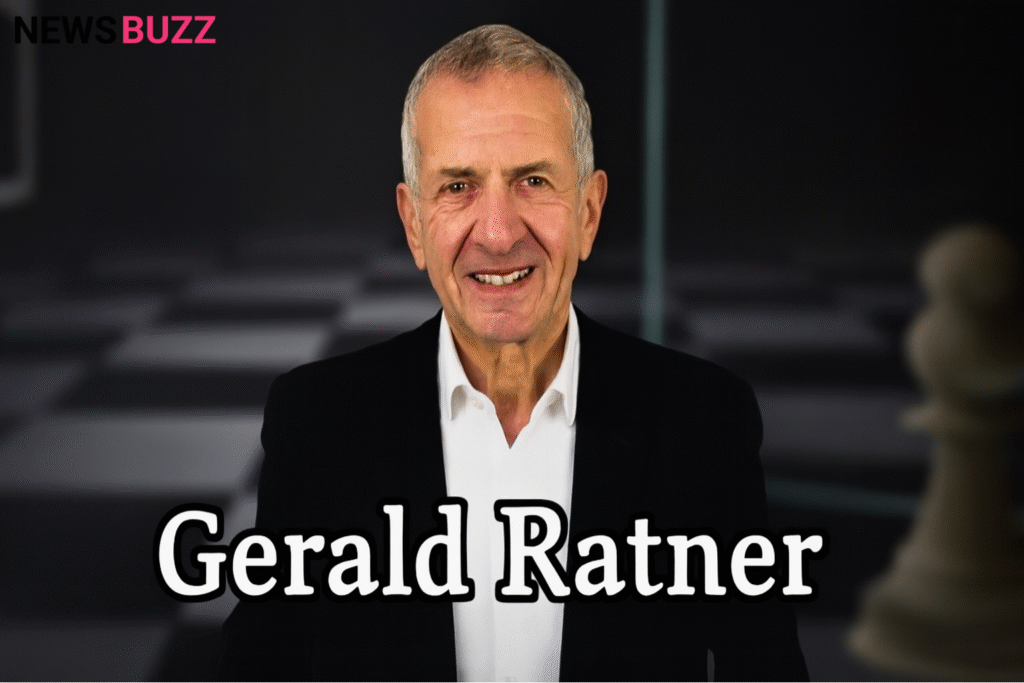

A powerful story of success, mistakes, resilience, and the transformation of a retail leader into a global symbol of business recovery
Introduction
Gerald Ratner stands as one of the most talked-about figures in British retail history—a British businessman whose dramatic rise and equally dramatic fall created a business case study known worldwide. His story is powerful, emotional, and deeply human. At his peak, Ratner led the largest jewellery retail empire in the world, transforming a family business into a high-street powerhouse. Yet, with one infamous speech, he experienced a collapse so significant that it became known as the “Ratner Effect.”
What makes his journey remarkable is not just the downfall but the reinvention that followed. Ratner rebuilt his professional identity through resilience, strategic thinking, and an honest willingness to learn from mistakes. Today, he is admired for his transparency, motivational insight, and ability to turn adversity into opportunity. His life remains one of the most compelling narratives of leadership, responsibility, and redemption in modern business.
Quick Bio
| Category | Details |
|---|---|
| Full Name | Gerald Irving Ratner |
| Date of Birth | 1 November 1949 |
| Birthplace | London, England |
| Nationality | British |
| Profession | British businessman, entrepreneur, motivational speaker |
| Education | Hendon County Grammar School |
| Known For | Leading Ratners Group, “Ratner Effect,” business reinvention |
Early Life and Family Background
Gerald Ratner was born in London and raised in a family with deep roots in the jewellery trade. His upbringing gave him early exposure to business, customer service, and the demands of running a retail operation. This environment shaped his understanding of markets and consumer behaviour long before he ever stepped into a leadership position.
Growing up in a Jewish family, Ratner developed a strong work ethic and a commitment to perseverance—traits that would guide him throughout his life. While his career later took him to global recognition, the simplicity of his early environment helped him appreciate both struggle and opportunity, giving him the foundation he needed to eventually build a retail empire.
Education and Entry into the Jewellery Business
Ratner attended Hendon County Grammar School in London, where he completed his basic education. He did not pursue formal university studies, instead joining the family business at a young age. This early start provided hands-on training in the jewellery market—covering sourcing, pricing, customer interaction, and store management.
Unlike many business leaders who study finance through textbooks, Ratner learned directly on the shop floor. This practical education shaped his intuitive sense of business growth and helped him understand what everyday customers wanted. His ability to simplify retail challenges and act quickly would later become a trademark of his leadership style.
The Rise of a Retail Empire
Transforming the Family Business
In 1984, Gerald Ratner took over the family jewellery business and began an aggressive expansion strategy. He modernised the brand, introduced bold marketing campaigns, and focused on affordability—making jewellery accessible to a wider population. This shift revolutionised the industry and reshaped high-street shopping in Britain.
Through his leadership, the company expanded to more than 2,500 stores, becoming the world’s largest jewellery retail organisation. Ratner’s vision positioned the brand as a household name, and his success transformed him into one of the most influential British businessmen of the era.
Innovation and Market Influence
Ratner pioneered new approaches to sales, including high-volume bargains and mass-market appeal. His strategic understanding of consumer demand helped the business thrive in a competitive retail environment. He made jewellery shopping approachable, breaking the stereotype that it was reserved only for luxury buyers.
His rapid expansion demonstrated both ambition and skill, earning him admiration across the retail sector. At the height of his success, Ratner symbolised innovation, determination, and bold leadership.
The Fall: Understanding the Ratner Effect
The Speech That Changed Everything
On 23 April 1991, Gerald Ratner made a humorous remark about the quality of some of his products during a speech at the Institute of Directors. Intended as a joke, the comment was misinterpreted by the public and media, sparking outrage and damaging consumer trust.
The impact was immediate and severe. The company’s value plummeted, leading to massive financial losses. The incident became so significant that it entered business vocabulary as the “Ratner Effect”—a global reference to how a leader’s careless statement can destroy brand reputation.
Consequences and Leadership Exit
Within months of the speech, the business struggled to recover. Stores closed, profits fell, and Ratner faced immense pressure. In 1992, he stepped down from the company he helped build.
This moment represents one of the most dramatic leadership falls in UK business history. It serves as a reminder of the power of words, the fragility of consumer trust, and the intense scrutiny faced by public figures.
Reinvention and New Success
Building a New Chapter
Despite the magnitude of the setback, Gerald Ratner refused to disappear. Instead, he began a new chapter of entrepreneurship and personal growth. He started a health club business, demonstrating his ability to enter new industries with confidence and adaptability.
In 2003, he returned to his roots by launching Gerald Online, an innovative jewellery venture created in partnership with an overseas manufacturer. The platform successfully delivered affordable jewellery through an online model, long before digital retail dominated the market.
Becoming a Respected Speaker
Ratner transformed his experience into powerful lessons for others. Today, he is a sought-after motivational speaker who talks about leadership, communication, risk, and resilience. His transparency and humour make him relatable, and his willingness to address his mistakes openly has earned him respect across the business world.
What was once a career-ending moment became the foundation for a new identity—one built on honesty, learning, and genuine transformation.
Latest Work and Public Presence
Gerald Ratner continues to remain active in business and public speaking. He contributes insights at corporate events, leadership conferences, and entrepreneurial forums. His reflections on reputation management and communication have become valuable guidance for modern leaders.
He also maintains involvement in retail and online business ventures, reinforcing his commitment to innovation and adaptability. Ratner’s relevance in the business world is a testament to his ability to evolve, inspire, and contribute meaningfully despite past challenges.
Legacy of a Remarkable British Businessman
Gerald Ratner’s legacy is powerful, complex, and deeply instructive. He revolutionised jewellery retail, expanded a family brand into a global empire, and demonstrated extraordinary business intuition. His downfall, though dramatic, created a universal lesson about leadership responsibility.
Yet it is his comeback that defines his true influence. By embracing vulnerability, acknowledging mistakes, and rebuilding himself professionally, Ratner has become a symbol of resilience. His journey proves that success is not just about rising—but rising again after falling.
Conclusion
Gerald Ratner’s life story is a compelling combination of triumph, failure, and transformation. As a British businessman, he reshaped an entire industry, faced one of the most public corporate collapses in history, and then rebuilt his career with courage and determination. His experiences continue to teach leaders about communication, accountability, and the importance of rebuilding with dignity.
His legacy stands as a powerful reminder that while success can be fragile, resilience can be stronger than any setback. Gerald Ratner remains one of the most influential figures in British retail history—not because he avoided failure, but because he mastered the art of rising after it.
FAQs
1. Who is Gerald Ratner?
He is a British businessman known for expanding his family jewellery business into a global retail empire and later becoming a well-known motivational speaker.
2. What is the “Ratner Effect”?
It refers to the dramatic business collapse caused by a public remark he made in 1991, illustrating how communication can impact brand reputation.
3. What companies has he led or founded?
He led Ratners Group, founded a health club business, and launched the online jewellery retailer Gerald Online.
4. What is he doing now?
Ratner works as a motivational speaker and continues to engage in business and retail ventures.
5. Why is his story significant?
His journey demonstrates the importance of communication, the risks of leadership, and the power of personal reinvention.